A teen version of ChatGPT failed independent safety tests, an Irish court made reporting count for more, and new research makes the case for a little screen time rather than none.
15 October 2026·4 min read·By Geoff Sloss
AI & ChatbotsFor SchoolsFor Parents
ChatGPT's teen version fails independent safety tests
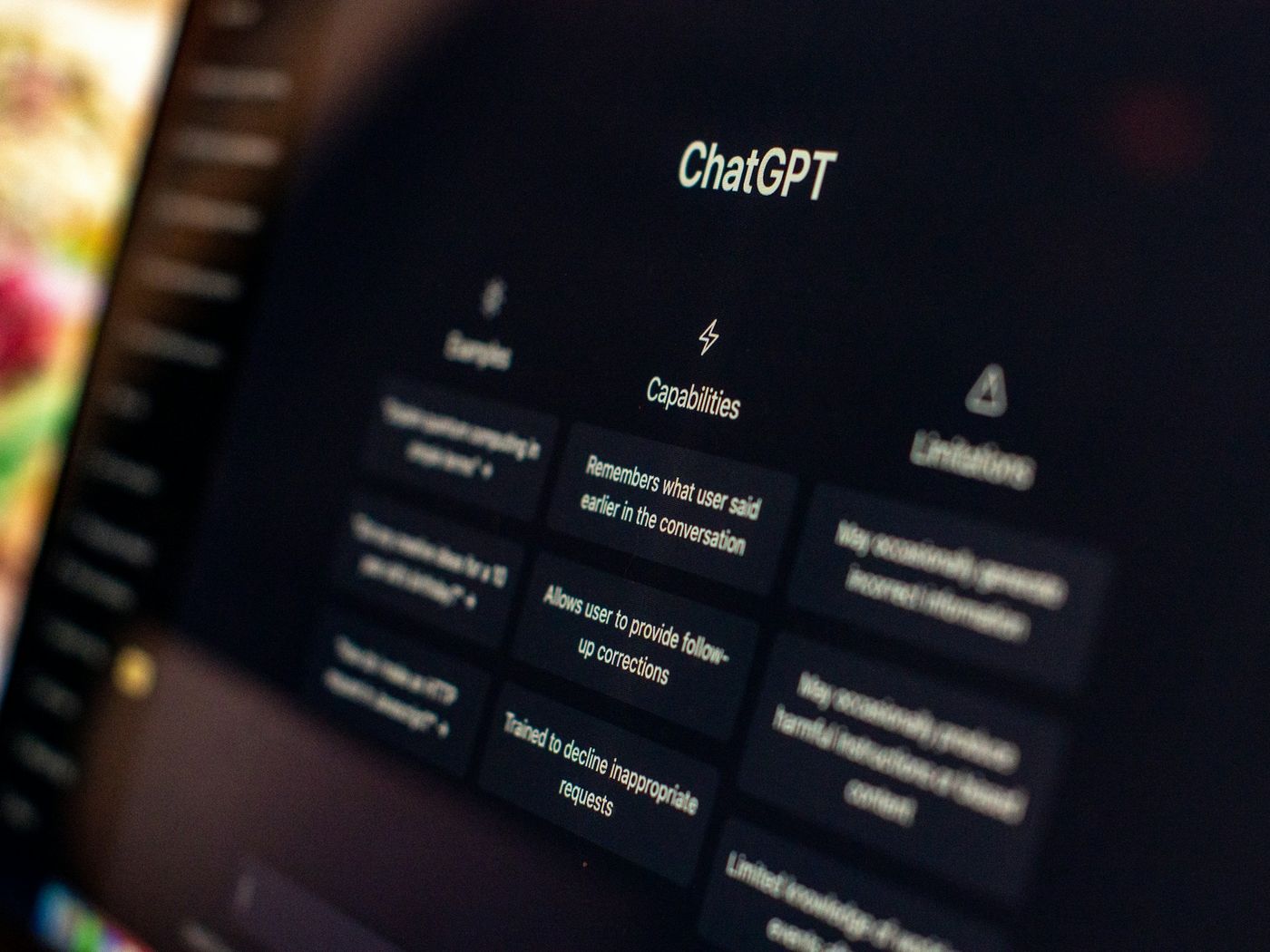
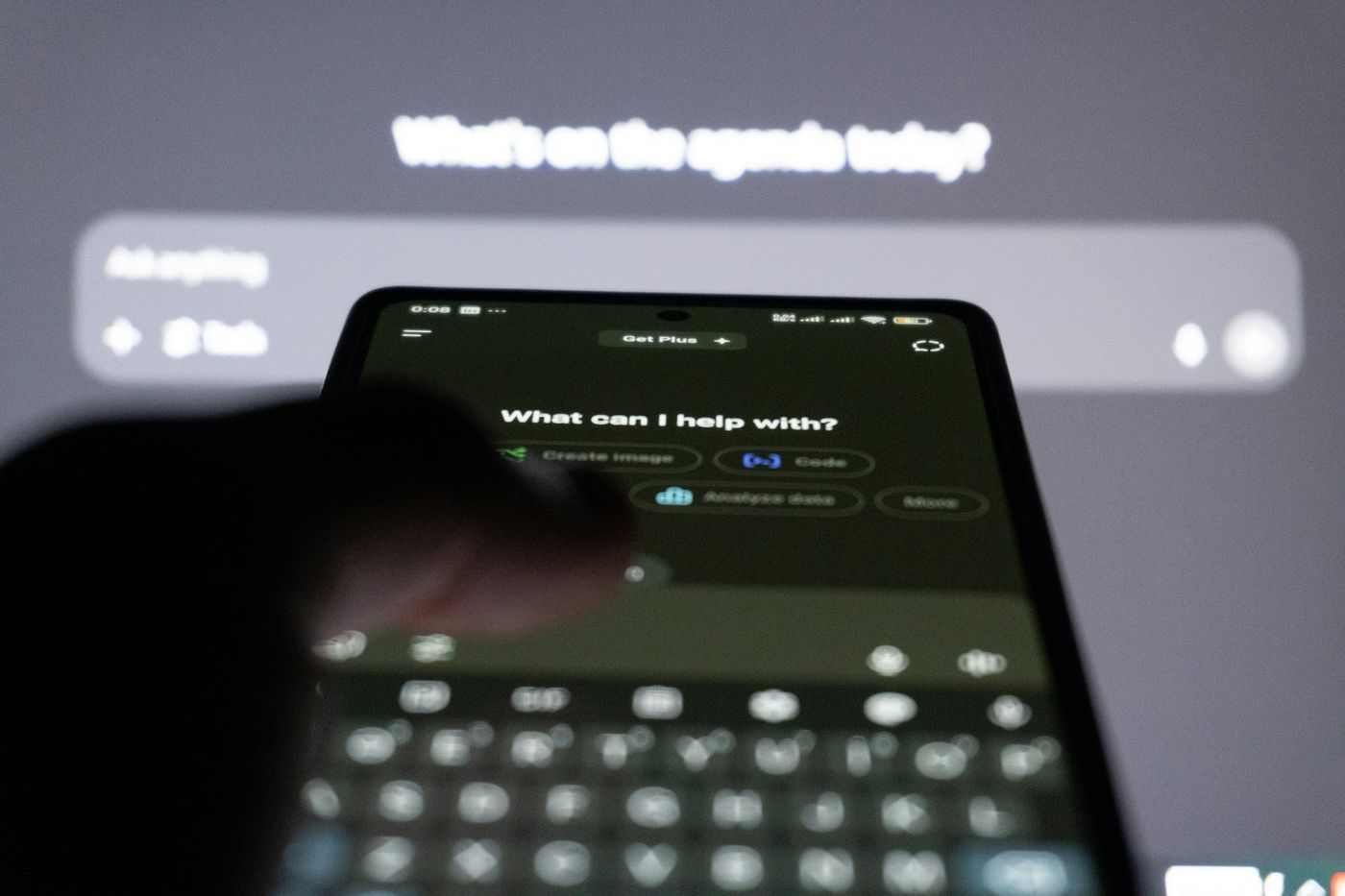
What happened: On 7 October Common Sense Media, a US children's charity, rated ChatGPT's teen experience an "Unacceptable Risk". In testing, newly linked parent accounts received no alerts during an hour of conversation about self-harm. Study mode could be switched off in seconds, and the app did not move users into teen mode even after they said they were 13.
Why it matters: Many families and schools assume a teen account with parental alerts is a safe account. These tests show the alert is not a monitor.
What you can do: Use the controls, but keep talking. Schools should assume students may be on adult accounts when writing AI policies.
Reporting harmful content in Ireland now counts for more
What happened: On 8 October the High Court in Dublin dismissed a challenge by X to how Coimisiún na Meán, Ireland's online safety regulator, handles complaints. The regulator can now keep complaint information and use it to spot patterns of wrongdoing by a platform.
Why it matters: Pupils often ask whether reporting does anything. The honest answer is now yes: even if your own complaint goes nowhere, it adds to the evidence against the platform.
What you can do: Encourage pupils, staff and parents to report: to the platform first, and to Coimisiún na Meán where the platform doesn't act.
When an AI company fails, what happens to the chats?
What happened: Character.AI, a chatbot app popular with teenagers, filed for bankruptcy in the US on 13 October. Attorneys general from 40 US states asked the court to set conditions on any sale, including giving users the chance to delete their chats first. More than two million accounts had declared an age under 18.
Why it matters: Conversations that felt private are stored by a company, and can become something it sells. Some of the app's "therapist" characters had told users their chats were confidential.
What you can do: Before confiding in any AI app, ask who keeps the conversation. Workplaces: the same question applies to staff pasting work information into free AI tools.
Research & WellbeingFor WorkplacesFor ParentsFor Schools
Two studies on balance: a little helps, too much costs
What happened: A Gallup survey across 97 countries found young people using social media for two hours or more a day reported more anger, sadness and stress than moderate users. Separately, the 2026 World Happiness Report found 15-year-olds using it for under an hour a day were happier than those who didn't use it at all. A third study, from researchers at Berkeley, MIT and Oxford, found that people helped by ChatGPT for just ten minutes gave up sooner and did worse once the tool was taken away.
Why it matters: Together, these support moderation with a ceiling rather than all-or-nothing rules. And the effort AI saves us is often the effort that builds the skill. For students, the exam is the moment the tool is taken away.
What you can do: Agree a daily limit rather than a ban. Encourage "try it yourself first, then check with AI" in class and at work.
AI abuse images now mostly target primary-age children
What happened: The Internet Watch Foundation, a UK charity that finds and removes child abuse images, found more AI-generated abuse images in the first half of 2026 than in all of 2025. Almost eight in ten showed children aged 7 to 13.
Why it matters: This is now a primary-school safeguarding issue, not only a teenage one. The images are often made from ordinary, innocent photographs.
What you can do: Keep children's photos off public social media, or share them with close friends only. Schools should review how pupil photos are used on websites and social pages. In Ireland, report suspected abuse images to Hotline.ie.
What happened: On 1 October the Portland Trail Blazers basketball team announced Braiden Bell, 29, as its new commentator. Within hours a local reporter found offensive posts he had written in 2012 and 2013, when he was about 15. He was fired that night. He apologised, saying the posts did not reflect who he is today.
Why it matters: The posts were 14 years old, written at the same age as the pupils in a secondary classroom. Nobody checks your timeline while you are nobody; they check it on the day it matters most.
What you can do: Ask pupils: would you be happy for a future employer to read the last 20 things you posted?
A US appeals court has let Florida enforce its ban on social media accounts for under-14s, treating addictive design rather than content as the problem. The EU and Ireland are building age rules on the same idea.
The EU's proposed under-age social media rules were debated in the European Parliament. MEPs warned that shared accounts and VPNs make them easy to get around, so the conversation at home still matters.
Coimisiún na Meán's first investigation under its Online Safety Code, into X's age checks and parental controls, is still open.
Safer Internet Day is Tuesday 9 February 2027, on the theme "Reflect on tech".
Talking point for this fortnight
If the AI app you use shut down tomorrow, who would end up with everything you've told it?
From DigiWise
We deliver internet safety workshops for primary and post-primary schools, staff training, parents' talks and digital wellness sessions for workplaces. Some risks we track are too sensitive for a public page; we cover them in staff training.
A fortnightly summary of public reporting, compiled by DigiWise. Sources linked in each story.
Cookies on DigiWise
We use essential cookies to make this site work. With your permission we'd also like to use analytics and marketing cookies, and to show our booking calendars, which are provided by Calendly and set their own cookies. Read our privacy policy
Cookie settings
Choose which cookies you're happy for us to use. You can change this at any time from the "Cookie settings" link at the bottom of every page.
Strictly necessaryNeeded for the site to work, such as keeping forms secure. These can't be switched off.
Always on
AnalyticsHelp us understand which pages are useful, so we can improve the site.
MarketingHelp us measure how people find us, for example from our social media posts.
Booking calendarsShow our presenters' live Calendly calendars on the Book page. Calendly sets its own cookies.