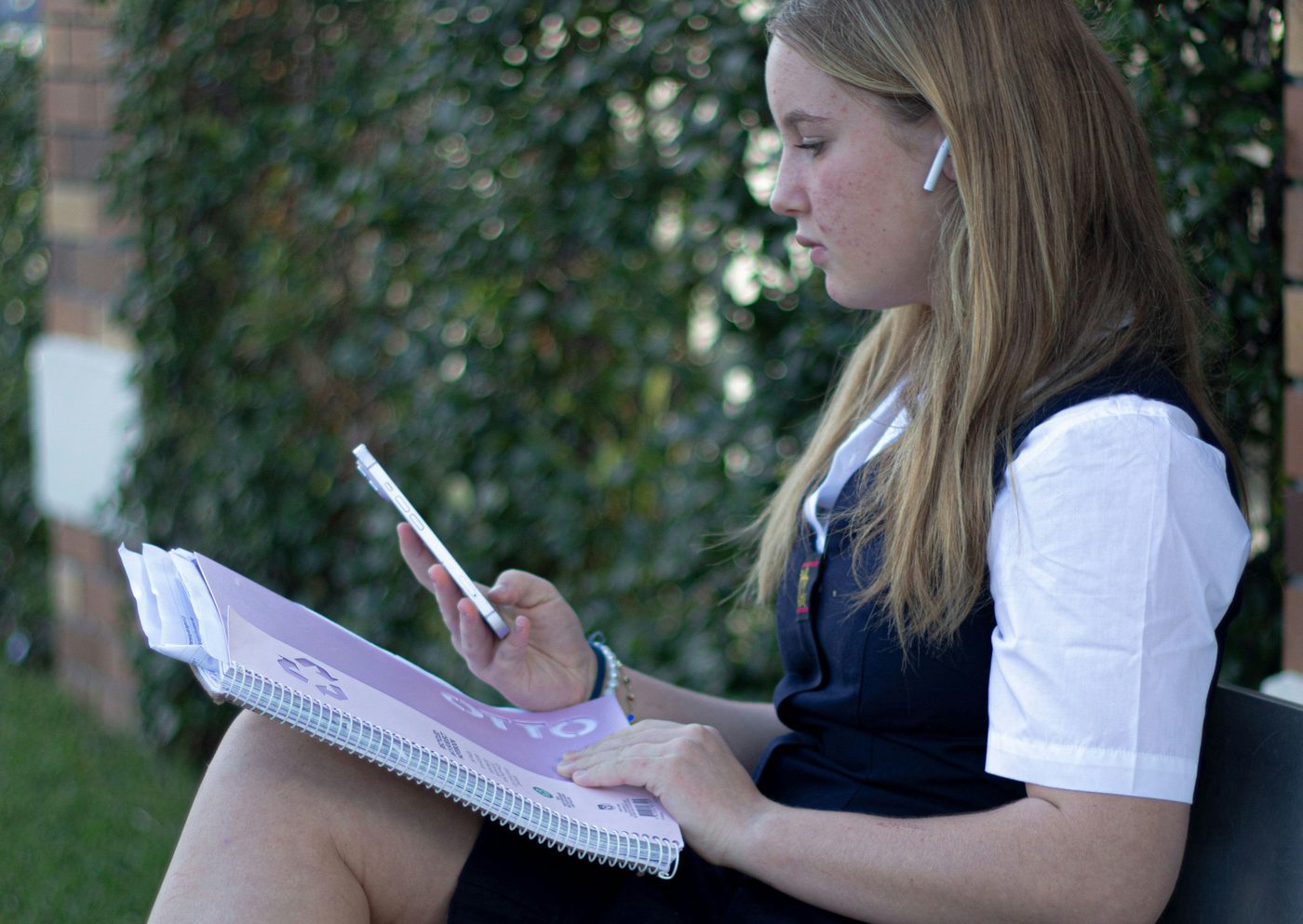
A major Irish survey finds seven in ten primary-age children still hold social media accounts they are too young for, while politicians, regulators and courts all moved on children's online safety this fortnight.
1 November 2026·5 min read·By Geoff Sloss
Social Media & GamingFor SchoolsFor Parents
Seven in ten under-13s have accounts they are too young for
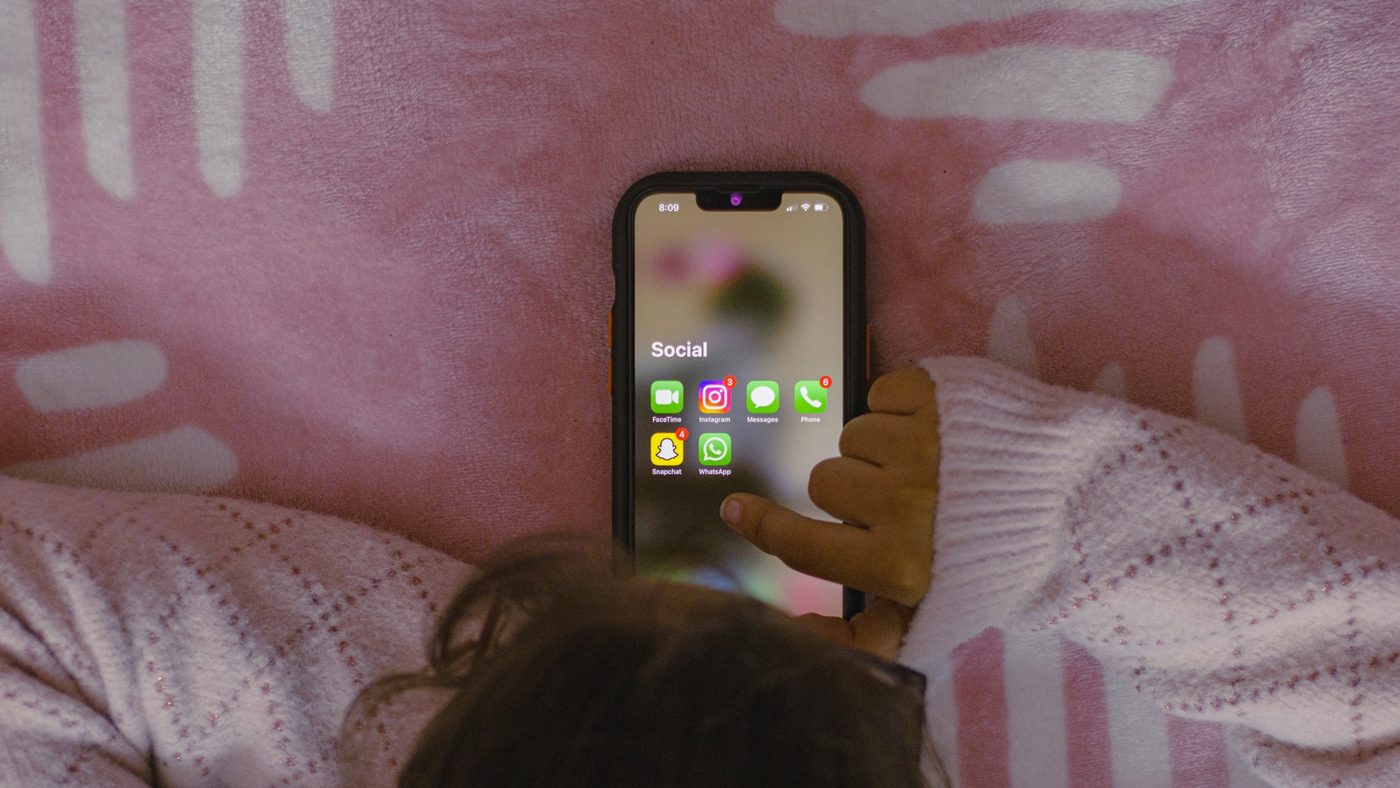
What happened: CyberSafeKids, an Irish charity, published its annual report on 16 October. It surveyed more than 7,000 children aged 8 to 15 during the last school year. Seventy per cent of 8- to 12-year-olds hold accounts on platforms that require users to be 13 or older.
Why it matters: The report is called The Year Little Changed, and that is the finding. Ireland's Online Safety Code has been in force, yet the numbers look much as they did before. Roblox was where younger children most often met content or contact that upset them; Snapchat was where older children did. More than half of under-12s have a connected device in the bedroom overnight.
What you can do: Treat the bedroom and the account age as two separate conversations with families — devices out overnight, and a realistic look at which accounts a child actually holds.
TDs want “addictive” features turned off for children
What happened: The Oireachtas Joint Committee on Children published a report on 15 October with 45 recommendations. Its central ask is that features such as endless scrolling, autoplay and algorithmic recommendations be switched off by default for children, and that digital products carry age ratings in the way toys and films do.
Why it matters: This is the first time Irish parliamentarians have set out a position this clearly, and they deliberately stopped short of recommending a ban for under-16s on its own. Their argument is that how a product is built matters more than the age printed on the account. The committee chair, Keira Keogh, put it as “safety by design rather than safety as an afterthought.”
What you can do: It is a useful phrase for your own technology policy — ask what a new app or device does by default, before you ask what the settings allow.
Children are using AI chatbots years before they are allowed to
What happened: Two large American surveys published on 27 October found that almost half of 9- to 12-year-olds have used an AI chatbot or companion, despite most products setting a minimum age of 13. Irish figures point the same way: CyberSafeKids found three-quarters of 12- to 15-year-olds now use chatbots.
Why it matters: The striking part is not the volume but the silence around it. Almost half of the Irish children surveyed said no adult had ever talked to them about AI. The American research also found children use these tools far more than they enjoy them — which suggests habit rather than enthusiasm, and habits are easier to renegotiate.
What you can do: Add one AI question to whatever you already ask children about screens: not “do you use it”, but “what do you use it for?”
Meta will now tell parents if a teen searches for self-harm content
What happened: At the end of October, Meta extended a feature already on Instagram to Facebook and to its AI assistant. Where a parent supervises a teen's account, they will be alerted if the teen repeatedly searches for self-harm material, or if a conversation with the AI assistant suggests they may be at risk.
Why it matters: The alert does not include the search terms or the contents of the conversation — it tells a parent that something happened, not what was said. Meta has not published the thresholds that trigger it. Earlier independent testing of a rival product found alerts that simply did not fire. So it is worth switching on and worth not relying on.
What you can do: If you recommend parental supervision tools to families, pair the recommendation with the caveat: an alert is a prompt to talk, not a substitute for talking.
Phones collected at the classroom door lifted marks — most for struggling students
What happened: A study in the journal Science on 8 October followed almost 17,000 students across a full term. Half had their phones collected at the start of every class; half did not. Those in phone-free classes finished with better results, and the gap between stronger and weaker students narrowed.
Why it matters: Most evidence on phones in class is observational. This was a genuine experiment, and it is large. The gains went almost entirely to students who had been doing least well — the strongest students were unaffected. One honest caveat: the participants were college students, averaging about 19, so this does not transfer directly to a primary classroom.
What you can do: If your staff ask for evidence before changing a phone policy, this is the study to put in front of them — including the caveat.
An apology from 2020 did not stop the posts coming back
What happened: In late October, old posts by the singer Slayyyter containing racial slurs circulated again. She wrote them at about 15. They first surfaced in 2020, when she apologised publicly and said she took full responsibility for them. Six years later, as her career peaked, they returned.
Why it matters: This is a harder lesson than the usual one. She did not ignore it or delete it quietly — she addressed it, at the time, in public. The posts resurfaced anyway, because far more people were now interested in her. An apology can close a conversation; it does not close a record.
What you can do: With teenagers, make that the point rather than “be careful what you post” — nobody reads your old posts while you are nobody.
Ofcom, the UK regulator, reported on 22 October that the proportion of British children seeing harmful content has not fallen since new duties began.
EU ministers discuss the proposed KIDS Act on 20 November, with Ireland chairing the Council until the end of December.
In the United States, Meta settled out of a landmark teen addiction trial on 30 October, leaving Snapchat's owner to face the jury alone.
Safer Internet Day 2027 resources are due in November, ahead of the day itself on 9 February.
Talking point for this fortnight
If a year of new online safety law has not changed what children actually do online, what is the one rule in our school, team or home that would make the biggest difference — and who is responsible for keeping it?
From DigiWise
We deliver internet safety workshops for primary and post-primary schools, staff training, parents' talks and digital wellness sessions for workplaces. Some risks we track are too sensitive for a public page; we cover them in staff training.
A fortnightly summary of public reporting, compiled by DigiWise. Sources linked in each story.
Cookies on DigiWise
We use essential cookies to make this site work. With your permission we'd also like to use analytics and marketing cookies, and to show our booking calendars, which are provided by Calendly and set their own cookies. Read our privacy policy
Cookie settings
Choose which cookies you're happy for us to use. You can change this at any time from the "Cookie settings" link at the bottom of every page.
Strictly necessaryNeeded for the site to work, such as keeping forms secure. These can't be switched off.
Always on
AnalyticsHelp us understand which pages are useful, so we can improve the site.
MarketingHelp us measure how people find us, for example from our social media posts.
Booking calendarsShow our presenters' live Calendly calendars on the Book page. Calendly sets its own cookies.