A regulator forced Snapchat to change a default this fortnight, Britain's under-16 ban grew far wider than expected, and a review found parents cannot read their children's AI chats.
15 November 2026·3 min read·By Geoff Sloss
Social Media & GamingFor SchoolsFor Parents
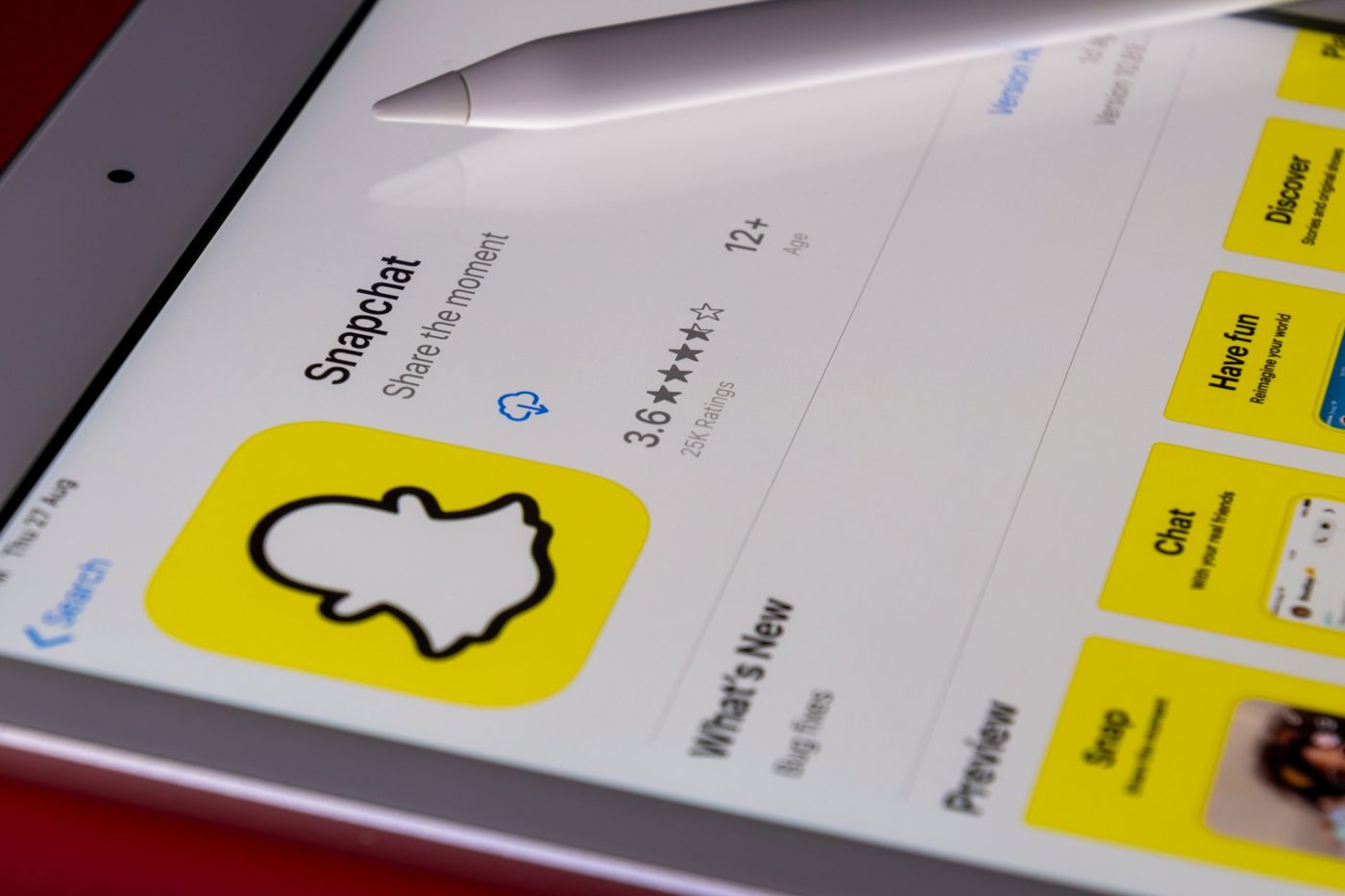
Snapchat switches off friend-finder for children
What happened: From 6 November 2026, Snapchat began turning off its “Find Friends” feature by default for child users in the UK. Ofcom, the UK communications regulator, said the change came after sustained pressure and called it long overdue. Snapchat has also told Ofcom that age checks should be in place for all under-18s by the end of this year.
Why it matters: Find Friends is one of the main routes groomers have used to establish contact with a child on Snapchat. The setting will happen by default, however the rollout is still in progress, so not every account will have it yet.
What you can do: If your child or your pupils use Snapchat, open the app and check the setting rather than assuming the change has reached that account.
What happened: Britain's ban on social media for under-16s takes effect in March. Reporting this fortnight says ministers are now considering a much wider definition that could cover around 150 services, including some that had been expected to escape it — YouTube Kids, Spotify, Lego Play and shopping sites with messaging. The rules go before Parliament in December.
Why it matters: When the ban was announced in June, families were told education, shopping and music streaming would be left out. If that changes, the advice schools give parents between now and March changes with it. Nothing is settled: the final list is not published.
What you can do: Hold off on telling families which apps are covered until the list is laid before Parliament next month.
What happened: A review of what the main AI tools offer parents, checked this month, confirms that parental controls on ChatGPT do not let a parent see their child's conversations, chat history or activity. Parents can set quiet hours and turn features off, and may get a limited alert if the system spots a serious safety concern — but no transcript. Character.AI offers parents no controls at all. The platform does permit 13+ users with certain restrictions automatically in place, however industry experts do not recommend Character.AI for anyone under 18, due to the ‘safety risks’ presented by the platform. Claude’s own policy does not permit users under 18.
Why it matters: Many parents have set these controls up and believe they can see what their child is saying. They cannot. That gap matters most for children who are using a chatbot for company rather than homework, which is exactly the use a parent would want to know about.
What you can do: Treat the control panel as a boundary, not a window — and ask your child what they use AI for.
Nine days from a reshared post to a public apology
What happened: A Toronto Blue Jays baseball player shared two posts on Instagram on 4 November that were widely condemned as anti-Muslim. His club's chief executive apologised publicly on 12 November after meeting community leaders, and the player issued his own apology the next day, saying he should have been more thoughtful about what he shared.
Why it matters: He did not write the content. He passed it on — the thing most teenagers and plenty of adults assume carries no consequence. His employer apologised before he did, which is the part worth sitting with: an organisation can end up answering for what one person reposts.
What you can do: Ask your team or your pupils whether they would be comfortable with their employer having to explain their last ten reposts.
England's school phone rules tighten from September 2027: phones banned from bags and pockets, not just kept out of sight.
EU ministers debate the EU Kids Act on 20 November, with Ireland chairing; the public consultation closes on 3 December.
The UK's final list of banned platforms goes before Parliament in December.
Australia's High Court ruling on its under-16 ban could land at any point.
Talking point for this fortnight
If a stranger could no longer find your child through an app's search feature, would that change what you worry about — or would you want to know who they are already talking to first?
From DigiWise
We deliver internet safety workshops for primary and post-primary schools, staff training, parents' talks and digital wellness sessions for workplaces. Some risks we track are too sensitive for a public page; we cover them in staff training.
A fortnightly summary of public reporting, compiled by DigiWise. Sources linked in each story.
Cookies on DigiWise
We use essential cookies to make this site work. With your permission we'd also like to use analytics and marketing cookies, and to show our booking calendars, which are provided by Calendly and set their own cookies. Read our privacy policy
Cookie settings
Choose which cookies you're happy for us to use. You can change this at any time from the "Cookie settings" link at the bottom of every page.
Strictly necessaryNeeded for the site to work, such as keeping forms secure. These can't be switched off.
Always on
AnalyticsHelp us understand which pages are useful, so we can improve the site.
MarketingHelp us measure how people find us, for example from our social media posts.
Booking calendarsShow our presenters' live Calendly calendars on the Book page. Calendly sets its own cookies.